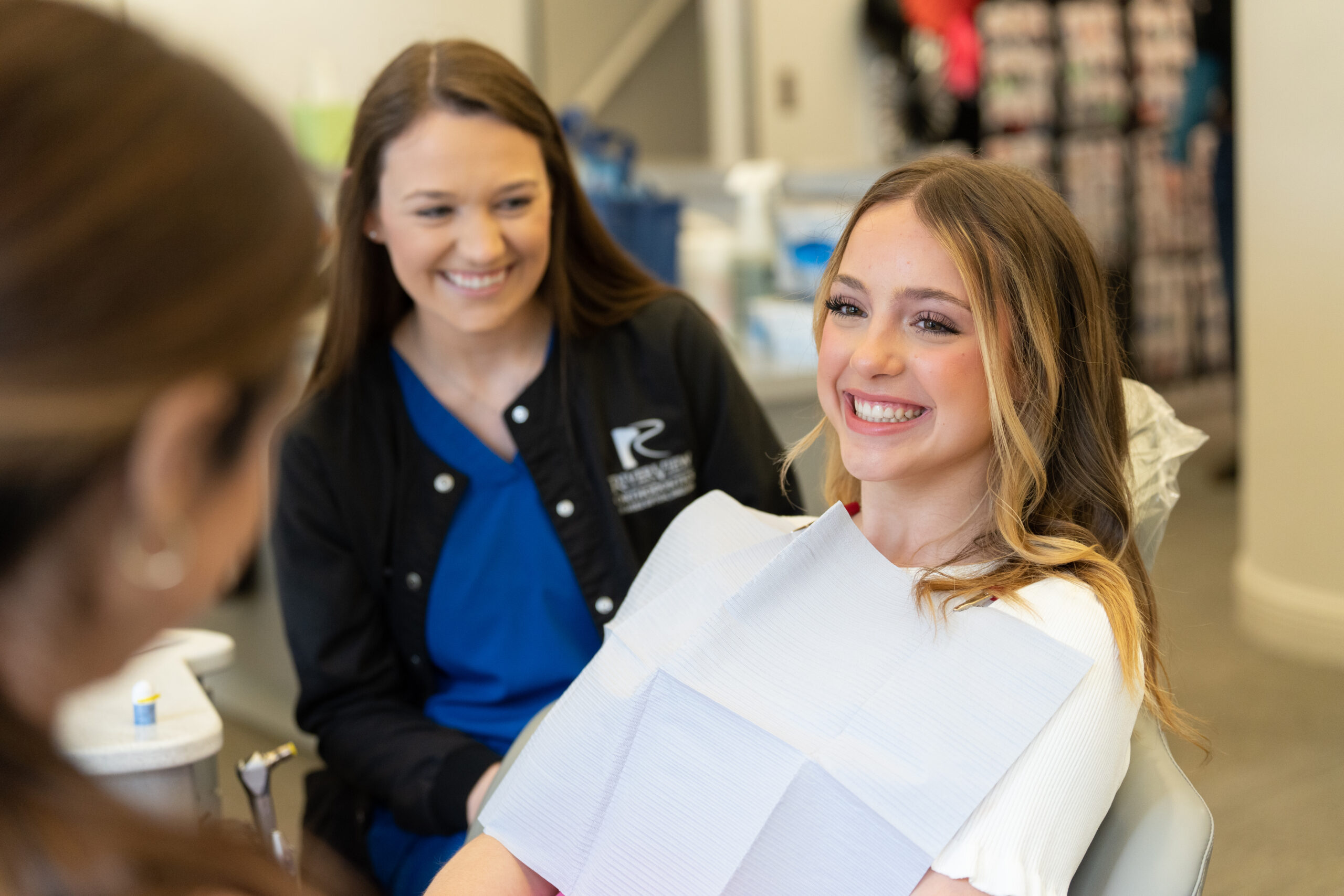
Choosing a retainer after braces or clear aligners is one of the most important decisions in protecting your new smile. With digital dentistry changing how retainers are made, you now have more choices than ever. Understanding the difference between 3D printed retainers and traditional retainers helps you pick the option that fits your lifestyle and your long-term results.
Quick Answer: The Core Difference
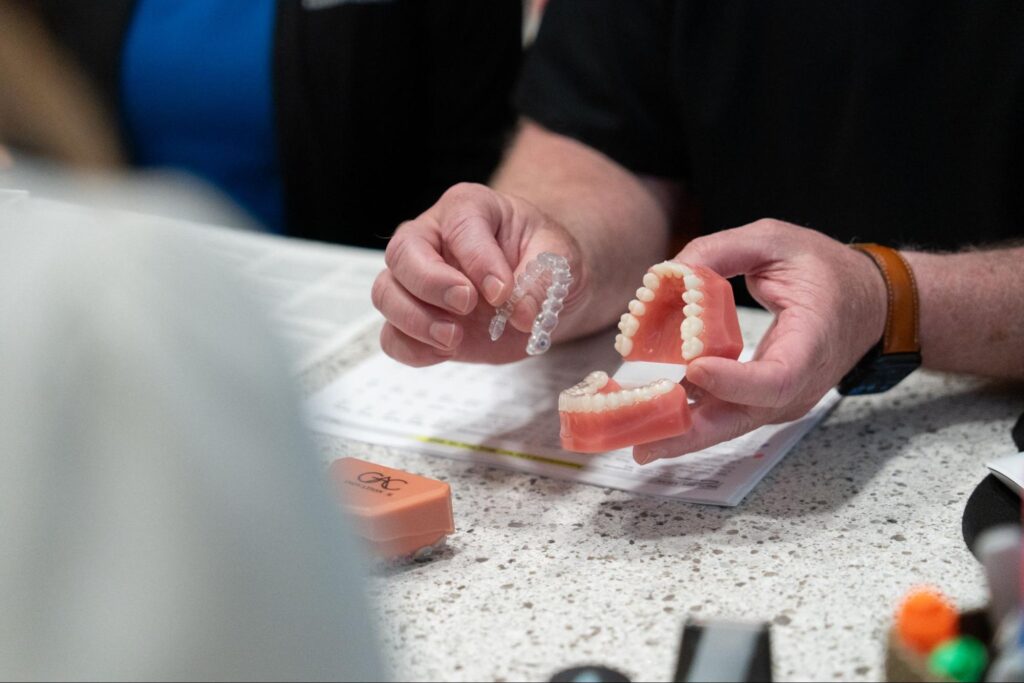
3D printed retainers are made from a digital scan of your teeth and produced using additive manufacturing with biocompatible resin. Traditional retainers are built from a physical putty impression, then either hand-fabricated from acrylic and wire (Hawley) or vacuum-formed from clear plastic (Essix).
The main differences come down to four things: accuracy, turnaround time, durability, and comfort. Digital workflows tend to produce a more precise fit with faster replacements, while traditional retainers offer decades of clinical track record and, in the case of Hawley designs, adjustability over time.
Below, you’ll find a full side-by-side comparison and guidance on which option might suit you best. At RiverView Orthodontics, Dr. Upton helps families weigh these options every day.
How Each Retainer Is Made: Digital vs. Traditional Workflow
The manufacturing process is where these two retainer types really separate. Here’s how each one comes together.
Traditional retainer workflow:
- An alginate or putty impression is taken of your upper and lower teeth.
- The impression is poured into plaster to create a physical stone model.
- A lab technician hand-fabricates the retainer, bending wire and shaping acrylic (Hawley) or vacuum-forming clear plastic over the model (Essix).
- The finished retainer is shipped back to your orthodontist for fitting.
- If you lose it, the full impression and fabrication process starts over.
3D printed retainer workflow:
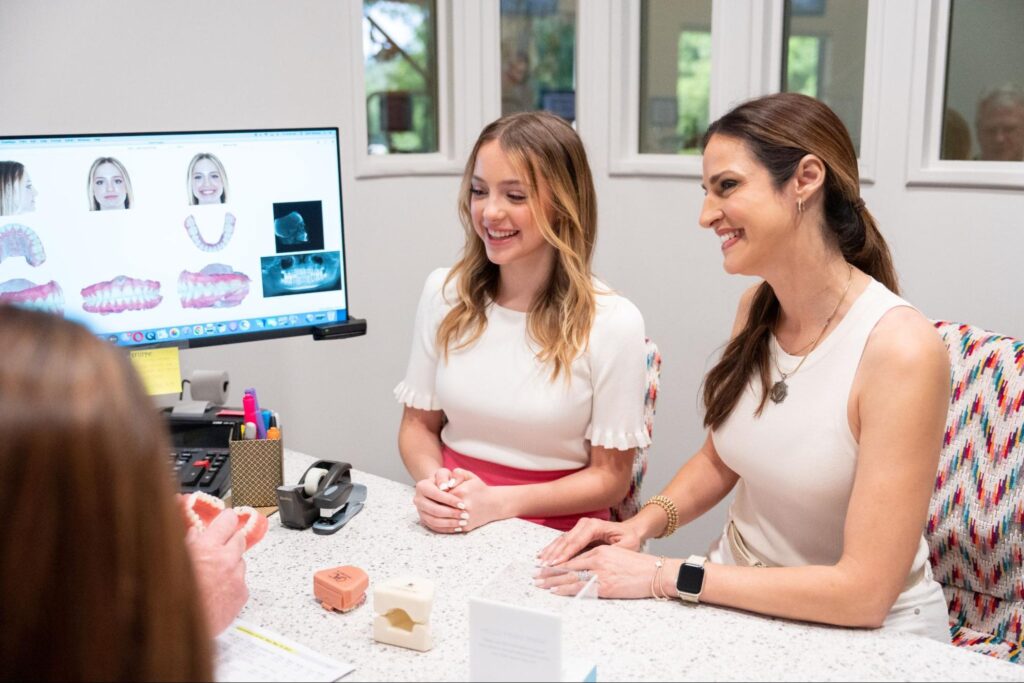
- An intraoral scanner captures a digital 3D image of your teeth in minutes.
- The scan is sent to CAD software, where the retainer is digitally designed.
- A 3D printer (typically SLA or DLP technology) produces the retainer from biocompatible resin.
- The finished retainer is polished, checked, and delivered.
- Your digital file stays on record, so replacements can be printed on demand without a new scan.
Digital scans skip the gag-triggering putty tray and avoid distortion errors that sometimes occur when impressions shift or warp before pouring. CAD/CAM retainers also benefit from precision down to the micron, which can translate to a snugger, more consistent fit. For many families, the ability to reprint a lost retainer from a stored file is one of the biggest practical advantages.
Benefits of 3D Printed and Traditional Retainers
Both retainer types do the same essential job: holding your teeth in their new position and preventing orthodontic relapse. But each comes with its own strengths.
Benefits of 3D Printed Retainers
- Precise fit. Digital scans and printed resin produce retainers within microns of your actual tooth anatomy.
- Faster turnaround. Replacements can often be produced in days rather than weeks.
- Digital file storage. Your scan stays on record, so lost or damaged retainers can be reprinted without starting over.
- Even pressure distribution. Many patients report greater comfort because the retainer sits uniformly against the teeth.
- Lower plaque accumulation. Research suggests smoother printed surfaces may support better oral hygiene compared with some conventional materials.
Benefits of Traditional Retainers
- Hawley retainers are adjustable. The wire can be tweaked over time to accommodate minor shifts, making them useful for complex cases.
- Highly durable. A well-cared-for Hawley retainer can last many years.
- Decades of clinical data. Orthodontists have refined traditional designs since the early 20th century.
- Essix retainers are familiar and widely available. Nearly every lab in the country can produce one.
Both options, when worn as directed, do a great job of maintaining alignment. The right choice often depends on your specific case, your preferences, and what Dr. Upton recommends based on his years of experience with every retainer style available.
Side-by-Side Comparison: 3D Printed vs. Traditional Retainers
Here’s how the two options stack up across the factors most patients care about.
| Feature | 3D Printed Retainers | Traditional Hawley | Traditional Essix |
|---|---|---|---|
| Accuracy | Within microns from digital scan | Subject to impression distortion | Subject to impression distortion |
| Lifespan | 1–3 years | 5+ years with care | 1–3 years |
| Turnaround | A few days | 1–2 weeks | 1–2 weeks |
| Comfort | Smooth, even fit | Bulkier, visible wire | Thin and clear |
| Replacement | Reprint from stored file | New impression required | New impression required |
| Adjustability | Not adjustable | Highly adjustable | Not adjustable |
| Appearance | Clear and discreet | Visible wire across front teeth | Clear and discreet |
No single retainer wins across every category. A patient who prioritizes long-term durability and adjustability may lean toward a Hawley design, while someone focused on fast replacements and a discreet look may prefer a 3D printed option. Essix retainers remain a solid middle-ground choice for patients who want a clear retainer without needing adjustability.
Which Retainer Is Right for You?
Choosing a retainer isn’t one-size-fits-all. Here’s a quick decision framework to help you think it through.
3D printed retainers may be ideal if you:
- Want the most precise fit available
- Lose or damage retainers often and need fast replacements
- Prefer a discreet, clear appearance
- Finished treatment with clear aligners and are used to the feel of plastic
- Have a mild to moderate case without complex retention needs
Traditional Hawley retainers may be ideal if you:
- Had a complex orthodontic case that may need future adjustment
- Want a retainer built to last many years
- Don’t mind a visible wire across your front teeth
- Grind your teeth and need something extra sturdy
- Prefer a design with decades of proven performance
Traditional Essix retainers may be ideal if you:
- Want a clear, discreet option
- Finished with aligners and want a similar feel
- Need a straightforward retainer without special features
Patients with bruxism (teeth grinding) often need thicker material or a Hawley-style design to withstand nighttime pressure. Your daily lifestyle, treatment history, and comfort preferences all play a role in the final decision. The best starting point is a conversation with Dr. Upton, who can match the right retainer to your specific smile and long-term goals.
Caring for Your Retainer: Habits That Protect Your Smile
No matter which retainer you choose, how you care for it determines how long it lasts and how well it works. A few simple habits go a long way.
- Clean daily. Rinse your retainer every time you remove it and brush gently with a soft toothbrush and mild soap. Avoid toothpaste, which can be abrasive.
- Soak weekly. Use a retainer-safe cleaning solution to break down buildup and keep it fresh.
- Keep it in its case. Napkins and pockets are where retainers go to die. Always store it in a sturdy case when it’s not in your mouth.
- Avoid heat. Hot water, dishwashers, car dashboards, and direct sunlight can warp both printed and traditional retainers.
- Wear it as directed. Even a few weeks without consistent wear can allow teeth to shift, and getting them back into position is much harder than keeping them there.
If your retainer feels tight, loose, cracked, or just “off,” don’t wait. Reach out to RiverView Orthodontics and we’ll take a look right away.
Frequently Asked Questions
What is the most effective type of retainer?
The most effective retainer is the one you’ll actually wear consistently as prescribed. Clinically, both Hawley and clear retainers (including 3D printed and traditional Essix) maintain tooth position well when worn correctly. The American Association of Orthodontists recommends following your orthodontist’s specific wear instructions, which may evolve over time from full-time to nighttime-only wear.
Why do some dentists not recommend permanent retainers?
Permanent (bonded) retainers can trap plaque and tartar if not cleaned carefully, which may raise the risk of gum inflammation or decay in some patients. They also require special flossing techniques. For patients who struggle with daily oral hygiene around a bonded wire, a removable retainer may be a better fit. Dr. Upton reviews the pros and cons of each option during your retention consultation.
What are the pros and cons of 3D printed retainers?
Pros: Precise fit from digital scans, fast replacement from stored files, smooth and comfortable surfaces, and a discreet clear appearance.
Cons: Shorter lifespan than Hawley retainers (typically 1–3 years), not adjustable like Hawley designs, and some newer resins have less long-term clinical data than traditional materials.
How long do 3D printed retainers last?
Most 3D printed retainers last between 1 and 3 years with proper care. Lifespan depends on the resin used, how often you wear it, whether you grind your teeth, and how well you clean and store it. Because the digital file is saved, replacements are quick to arrange and do not require starting over with a new impression.
Are 3D printed retainers safe and FDA-approved?
Yes. 3D printed retainers made from FDA-cleared biocompatible resins are considered safe for intraoral use. The resins used in dental 3D printing go through testing for biocompatibility, and the equipment is regulated as a medical device when used for direct patient applications. Always confirm with your orthodontist that your retainer is made from an approved dental-grade material.
Ready to Protect Your Smile?
Whether you’re finishing treatment or need a replacement retainer, Dr. Mike Upton and our friendly team at RiverView Orthodontics are ready to help you choose the right option. With over 25 years of orthodontic experience and offices in both Tuscaloosa and Demopolis, we make it easy to get the care your smile deserves. Our Tuscaloosa office is at 815 Rice Mine Rd N. and can be reached at (205) 752-4343. Our Demopolis office is at 933 US-80 W and can be reached at (334) 287-0200.
Book your free consult today, and let’s keep that beautiful straight smile looking its best for years to come. Your family is our family.